When parents first hear about Applied Behavior Analysis (ABA) therapy, one phrase often comes up: "ABA is an evidence-based treatment for autism." While that sounds reassuring, it's also understandable to wonder what it actually means.
How do researchers know ABA works? What makes it "evidence-based?" And perhaps most importantly, what does modern ABA therapy look like for children today?
At
The Behavior Project, we believe families deserve clear, honest information about the therapies they're considering. Understanding the science behind ABA can help you make informed decisions while giving you confidence that your child is receiving care grounded in decades of research and individualized to their unique needs.

What Does "Evidence-Based" Mean?
An evidence-based practice is one that has been carefully studied through scientific research and consistently shown to produce positive outcomes. Rather than relying on opinions or anecdotal success stories, evidence-based therapies are supported by years of research involving many children, families, and clinicians.
In healthcare and education, evidence-based interventions are continuously evaluated to ensure they remain safe, effective, and beneficial. Researchers collect data, compare outcomes, and refine best practices as new information becomes available.
Applied Behavior Analysis has been studied extensively for more than 50 years and is recognized as one of the most researched interventions for children with autism. Organizations including the American Academy of Pediatrics and the U.S. Surgeon General have recognized ABA as an evidence-based approach for helping individuals with autism develop meaningful life skills.
Evidence-based doesn't mean every child will have the exact same experience or achieve identical outcomes. Every child learns differently. Instead, it means the methods used have consistently demonstrated positive results when individualized to meet each child's needs.
How ABA Therapy Is Built on Behavioral Science
At its core, ABA therapy is based on a simple idea: children learn through experiences.
Behavioral science helps us understand how children acquire new skills, how environments influence learning, and how positive interactions encourage continued growth.
Rather than expecting children to master large or complex tasks all at once, ABA therapists break goals into smaller, manageable steps. As children experience success, those smaller skills gradually build into more complex abilities.
For example, learning to communicate may begin with making eye contact, pointing to a preferred toy, using gestures, or saying a single word before progressing toward conversations and social interaction.
Throughout the process, therapists focus on positive reinforcement. When children experience success and receive meaningful encouragement, they become more motivated to practice and continue learning.
This isn't about rewarding perfection. It's about creating positive learning experiences that encourage confidence, curiosity, and independence.
Modern ABA Looks Very Different Than Many Parents Expect
One of the biggest misconceptions about ABA comes from outdated descriptions that no longer reflect how many quality providers practice today.
Modern ABA has evolved significantly over the years. Today's best practices emphasize flexibility, collaboration, and respect for each child's individuality.
At The Behavior Project, therapy is designed around the child—not the other way around.
Rather than sitting at a table completing repetitive drills, children spend much of their time learning through play, exploration, movement, and everyday interactions. Therapists follow the child's interests, creating natural opportunities to encourage communication, social engagement, problem-solving, and emotional regulation.
This approach is often called Naturalistic Developmental Behavioral Interventions (NDBI).
NDBI combines the proven principles of ABA with developmental science and child-led learning. Therapy takes place during meaningful activities that children genuinely enjoy, making new skills more likely to transfer into everyday life.
When learning feels fun and engaging, children are often more motivated to participate, explore, and build lasting skills.
Why Early Intervention Matters
Research consistently shows that early childhood is a period of incredible brain development.
During the first several years of life, children's brains are rapidly forming new connections as they learn language, social interaction, emotional regulation, motor skills, and problem-solving abilities.
For many children with autism, early intervention provides opportunities to build foundational skills during this important stage of development.
Early intervention may support growth in areas such as:
- Communication
- Social interaction
- Daily living skills
- Emotional regulation
- Play skills
- Independence
- Learning readiness
Beginning therapy early doesn't guarantee a particular outcome, nor does it mean older children cannot continue making meaningful progress. Children continue learning throughout their lives. Instead, early intervention simply allows families to begin building skills as early developmental opportunities emerge.
Individualized Care Is Essential
Although ABA is grounded in science, there is no universal treatment plan that works for every child.
Evidence-based care means using research to guide decisions while recognizing that every child has different strengths, interests, learning styles, and developmental goals.
That's why comprehensive assessments are such an important part of quality ABA therapy.
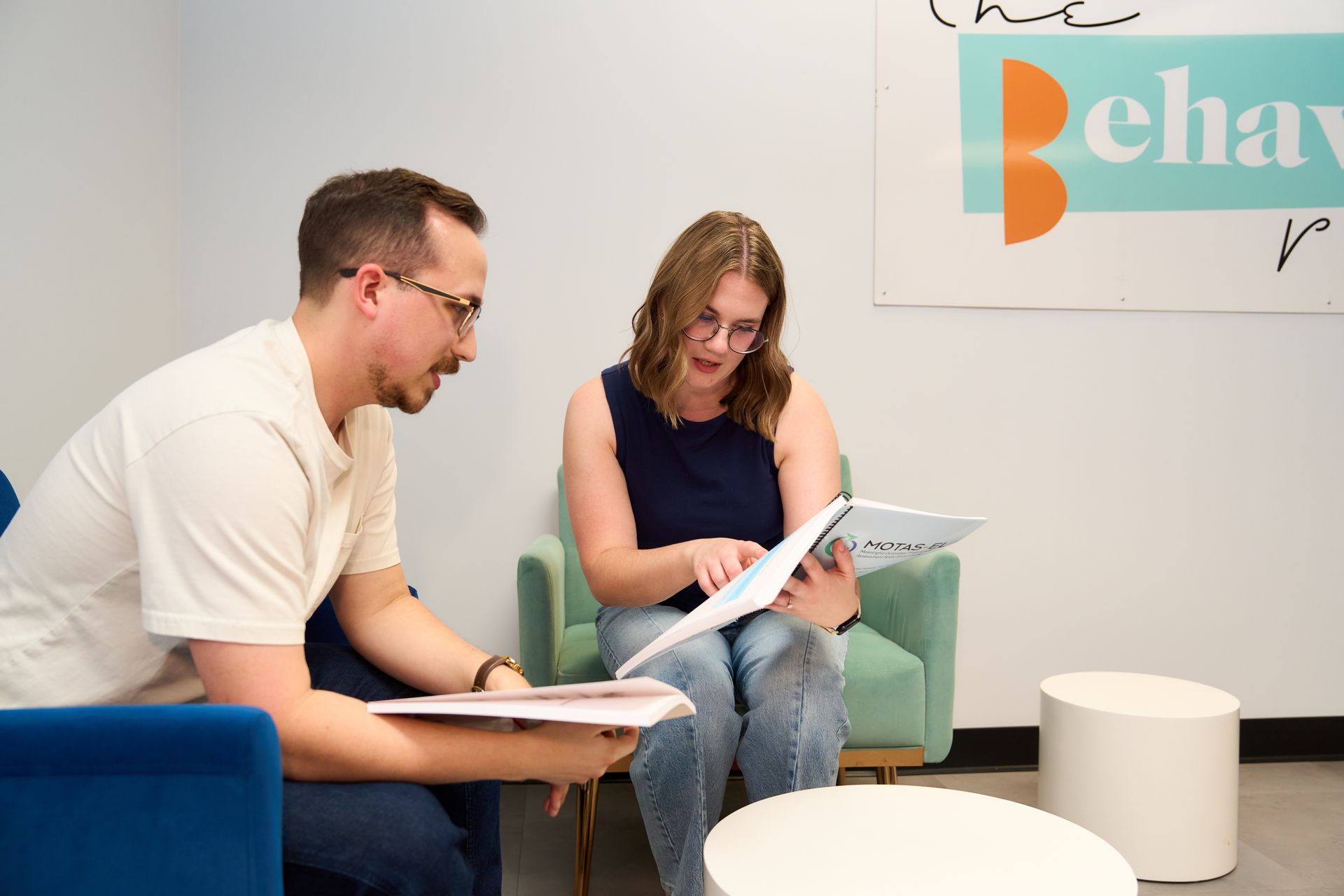
Before services begin, Board Certified Behavior Analysts (BCBAs) evaluate each child's current skills, observe how they learn, identify areas of need, and collaborate with families to establish meaningful goals.
Treatment plans may focus on areas such as:
- Functional communication
- Social interaction
- Emotional regulation
- Adaptive living skills
- Play development
- Feeding challenges
- School readiness
Goals are selected because they matter to the individual child and family—not because they're part of a standard checklist.
Measuring Progress Through Data
One reason ABA has earned its evidence-based reputation is its commitment to ongoing measurement. Rather than relying on general impressions, therapists collect objective data during treatment sessions to understand how children are progressing toward their goals.
This information helps clinicians answer important questions, including:
- Is this strategy working?
- Has the child mastered this skill?
- Should we adjust our approach?
- Are new goals appropriate?
Data collection isn't about reducing children to numbers. Instead, it helps ensure therapy remains individualized, responsive, and effective.
Parents also benefit from seeing measurable progress over time. Sometimes growth happens gradually, and tracking data helps families recognize meaningful improvements they may otherwise overlook.
Small milestones such as independently requesting help, trying a new food, or joining a peer during play can represent tremendous progress for a child and family.
Family Involvement Makes a Difference
Research continues to show that children make the greatest gains when families are actively involved in the therapy process.
Parents know their children better than anyone else. Their insights, observations, and daily experiences provide valuable information that helps shape treatment.
Family involvement may include:
- Learning communication strategies
- Practicing new skills during daily routines
- Reinforcing positive behaviors at home
- Participating in goal planning
- Collaborating with therapists
When children experience consistent support across therapy sessions, home, preschool, and community environments, they're more likely to apply newly learned skills in real-world situations. This collaborative approach also empowers parents by giving them practical tools they can use long after therapy sessions end.
Choosing an Evidence-Based ABA Provider
Not all ABA programs look the same, even if they all use evidence-based principles. As you explore providers, consider asking questions such as:
- How are treatment plans individualized?
- How are therapy goals selected?
- How is progress measured?
- How often are treatment plans reviewed?
- How are parents involved?
- What type of supervision do therapists receive?
- Does therapy incorporate play and natural interactions?
- How are children's interests included during sessions?
The answers to these questions can provide valuable insight into a provider's philosophy and help you determine whether their approach aligns with your family's values.
Our Approach at The Behavior Project
At The Behavior Project, we believe evidence and compassion belong together.
Our clinical team uses research-backed ABA strategies while creating an environment where children feel safe, supported, and excited to learn. Therapy is built around play, meaningful relationships, and each child's unique interests using Naturalistic Developmental Behavioral Interventions (NDBI).
We also believe parents are essential members of the treatment team. By working closely with families, we help children practice new skills across the environments where they spend their everyday lives.
Every child deserves individualized care that recognizes both their strengths and their potential.
Looking Beyond the Research
The science supporting ABA therapy is strong, but research is only one part of the picture.
Meaningful therapy also requires empathy, trust, collaboration, and genuine relationships.
Every child learns differently. Every family has unique goals. The most effective ABA programs recognize that evidence-based practices should always be paired with individualized care that respects each child's personality, interests, and developmental journey.
When science guides therapy and relationships remain at the center, children are given opportunities to build communication, confidence, independence, and meaningful connections that extend far beyond the therapy room.
If you're exploring ABA therapy for your child, understanding the research behind modern, play-based approaches can help you feel more informed and empowered as you choose the right provider for your family.
Contact us today to take the next step!
Small Steps.
Meaningful Progress.

Fill out our New Patient Inquiry Form to get started.

Connect with our clinical team and schedule a tour.

We verify your insurance and request an assessment.

Your child completes a comprehensive clinical assessment.

Our team develops your child’s personalized treatment plan.

Begin your child’s first day of therapy with our team.
Explore More