A Diagnosis Is a Lot. Here's What Happens Next.
Starting Applied Behavior Analysis (ABA) therapy is an important step for families seeking support for a child with autism. But before therapy begins, there's an essential first step: the initial ABA assessment.
If you're a parent preparing for your child's first assessment, you may have questions. What will the appointment look like? Will your child need to complete tests? What information should you bring? And how will the assessment help shape your child's therapy?
At The Behavior Project in Overland Park, KS, we understand that beginning a new therapy journey can bring both excitement and uncertainty. That's why our initial ABA assessments are designed to be welcoming, play-based, and focused on getting to know your child as an individual.
In this guide, we'll walk you through what to expect during an initial ABA assessment, how to prepare, and what happens afterward.
What Is an Initial ABA Assessment?
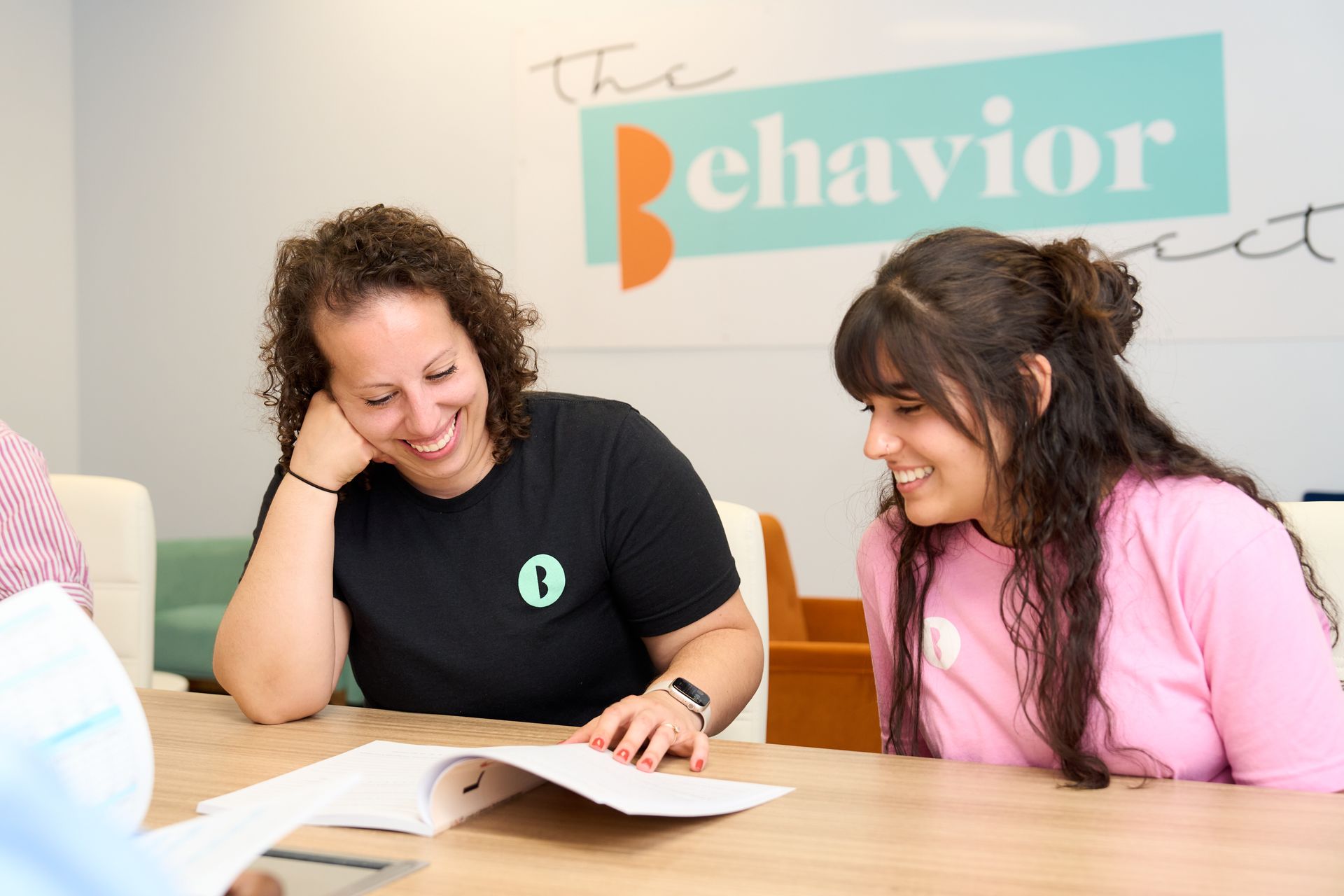
An initial ABA assessment is a comprehensive evaluation conducted by a Board Certified Behavior Analyst (BCBA) to better understand your child's developmental strengths, current skills, and areas where additional support may be helpful.
Unlike an autism diagnostic evaluation, which determines whether a child meets the criteria for an autism diagnosis, an ABA assessment focuses on understanding how your child learns, communicates, plays, and navigates everyday experiences.
The assessment helps identify:
- Your child's existing strengths and abilities
- Communication and language development
- Social interaction and play skills
- Daily living and independence skills
- Behavioral challenges that may affect learning or safety
- Emerging skills that can be developed through therapy
- Your family's priorities and goals
Most importantly, the assessment provides the foundation for an individualized treatment plan tailored to your child's needs.
At The Behavior Project, we believe every child deserves an approach that recognizes their unique personality, interests, and potential.
What Happens During an Initial ABA Assessment?
Every child's assessment experience is slightly different because every child develops, communicates, and learns differently.
At The Behavior Project, the initial assessment is typically a
two-hour, play-based appointment. During this time, your child's BCBA gathers important information through observation, interaction, and conversations with you.
Here's what families can generally expect.
Getting to Know Your Child and Family
The assessment begins with understanding your child beyond their diagnosis.
Your BCBA will want to learn about your child's interests, preferences, routines, strengths, and developmental history.
You may discuss questions such as:
- What activities or toys does your child enjoy most?
- How does your child communicate their wants and needs?
- What does a typical day look like for your family?
- Are there particular situations your child finds challenging?
- What skills would you most like your child to develop?
- What approaches have helped your child in the past?
This conversation is an opportunity to share your experiences and ask questions.
You know your child best. Your perspective is an essential part of developing a meaningful and effective therapy plan.
Play-Based Observation and Interaction
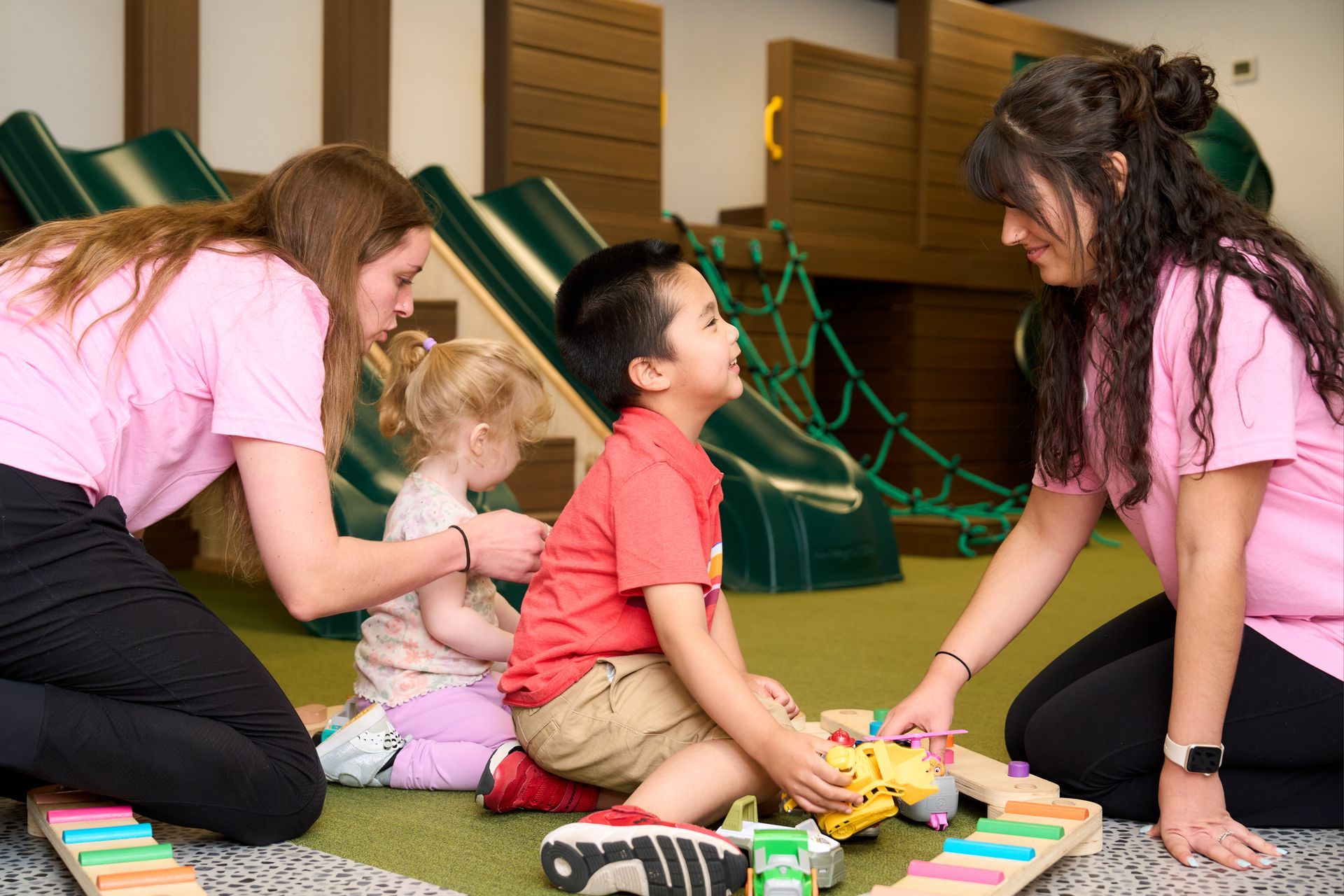
One of the most important parts of the initial ABA assessment is observing how your child interacts with their environment.
At The Behavior Project, assessments are designed to feel engaging and natural rather than like a traditional classroom test.
Your child may participate in activities involving toys, games, books, or other age-appropriate materials.
During these interactions, the BCBA observes how your child:
- Explores toys and activities
- Communicates interests and preferences
- Responds to social interaction
- Engages in independent or shared play
- Approaches new experiences
- Demonstrates emerging developmental skills
Because our approach emphasizes play-based learning, these activities help us understand your child's abilities in a comfortable, developmentally appropriate setting.
Your child does not need to demonstrate every skill perfectly. The goal is to understand where they are today and identify opportunities for growth.
Evaluating Communication, Social, and Daily Living Skills
An initial ABA assessment also helps identify which developmental skills your child has already mastered and which skills may benefit from additional support.
Depending on your child's age and individual needs, the BCBA may explore several developmental areas.
Communication Skills
Communication involves more than spoken language. Your BCBA may observe how your child requests items, expresses preferences, uses gestures, responds to others, or communicates through alternative methods.
Social and Play Skills
The assessment may explore how your child interacts with adults, participates in shared activities, engages in imaginative play, or responds to social opportunities.
Daily Living Skills
Skills such as dressing, handwashing, toileting, and participating in mealtime routines may be discussed to understand your child's growing independence.
Learning and Readiness Skills
Your BCBA may also observe attention, imitation, following directions, and other foundational skills that support learning.
The goal is not to compare your child to other children. Instead, the assessment helps identify meaningful skills that can support your child's development and participation in everyday life.
Understanding Behavioral Challenges and Support Needs
Some children experience difficulties with transitions, communication, emotional regulation, or other everyday situations.
During the assessment, your BCBA may ask about behaviors that make certain activities challenging or create safety concerns.
Rather than simply focusing on stopping a behavior, the goal is to understand what your child may be communicating and what environmental factors or unmet needs may be contributing.
For example, a child who becomes upset during transitions may benefit from clearer communication supports, predictable routines, or additional opportunities to practice transitions at a comfortable pace.
Understanding these patterns helps the clinical team develop supportive strategies that prioritize meaningful skill development.
Discussing Your Family's Goals
An effective ABA treatment plan should reflect more than assessment results. It should also incorporate the goals that matter most to your family.
Perhaps you'd like your child to communicate their needs more independently, feel more comfortable during daily routines, or develop new play and social skills.
Your BCBA will consider these priorities when developing treatment recommendations.
At The Behavior Project, family collaboration is an important part of individualized care. We want parents and caregivers to understand the therapy process and feel comfortable participating in decisions about their child's goals.
How to Prepare for Your Child's First ABA Assessment
You don't need to spend hours preparing your child for their assessment. In fact, allowing your child to participate naturally helps the BCBA better understand their everyday abilities.
However, a few simple steps can make your visit more comfortable and productive.
Gather Relevant Documents
Depending on what your team has already received, you may be asked to provide:
- Your child's autism diagnostic evaluation
- Relevant medical or developmental history
- Previous therapy evaluations
- Speech or occupational therapy reports
- Individualized Education Program (IEP) documents, if applicable
- Insurance information and requested intake paperwork
Contact the clinic beforehand to confirm which documents are needed.
Think About Your Child's Strengths and Challenges
Before your appointment, consider writing down a few observations about your child's daily routines.
What makes your child happy? Which activities do they enjoy? Are there situations that frequently cause frustration?
These details can help your BCBA understand your child's experiences outside the clinic.
Bring Comfort Items if Helpful
A favorite toy, familiar item, or preferred snack may help your child feel more comfortable in a new environment.
Check with your assessment team about what is appropriate to bring.
Prepare Your Questions
Your child's initial ABA assessment is also an opportunity to learn about therapy.
Consider asking:
- How will my child's treatment goals be selected?
- What does a typical therapy day look like?
- How will you measure and communicate progress?
- How are parents involved in treatment?
- How will therapy be adapted to my child's interests and needs?
There are no wrong questions. Understanding the process can help you make informed decisions about your child's care.
What Happens After the Initial ABA Assessment?
Once the assessment is complete, your BCBA reviews the information gathered during the appointment and uses it to develop an individualized treatment plan.
At The Behavior Project, this initial plan generally covers the first six months of recommended therapy.
Your treatment plan may outline:
- Your child's current strengths and developmental needs
- Individualized treatment goals
- Recommended therapy intensity and schedule
- Teaching strategies and supports
- Ways to monitor progress
- Opportunities for parent and caregiver collaboration
The BCBA reviews the proposed plan with you before moving forward.
Once you approve the treatment plan, the team can submit the request for ongoing ABA services to your insurance provider, when applicable.
Insurance authorization timelines vary, so the exact start date for therapy may depend on your plan and other scheduling considerations.
Why Individualized ABA Assessments Matter
No two children with autism have exactly the same strengths, interests, or support needs.
That's why an individualized assessment is so important.
A thoughtful assessment helps ensure that therapy goals are based on your child's current abilities, meaningful developmental priorities, and your family's experiences.
At The Behavior Project, our early intervention approach incorporates Naturalistic Developmental Behavioral Interventions (NDBI), which integrate behavioral teaching principles with developmentally appropriate, play-based interactions.
Rather than relying on a one-size-fits-all approach, our team uses each child's interests and natural learning opportunities to support skill development.
The initial assessment is where this individualized planning begins.
Initial ABA Assessments in Overland Park, KS
For families exploring ABA therapy in Overland Park and the greater Kansas City area, finding a provider that values individualized care and family involvement can make a meaningful difference.
The Behavior Project specializes in early intervention ABA therapy for young children with autism, emphasizing evidence-based, play-based learning.
Our team works to create an environment where children can explore, engage, and develop new skills while receiving individualized support.
Whether your family lives in Overland Park,
Leawood,
Olathe,
Lenexa, or another nearby Kansas City community, understanding the initial assessment process can help you feel more prepared to begin your child's therapy journey.
Take the First Step Toward Personalized ABA Therapy in Overland Park
Your child's initial ABA assessment is more than a starting point for therapy. It's an opportunity for our team to get to know your child, understand your family's goals, and begin building an individualized plan for meaningful growth.
At The Behavior Project, we're committed to helping young children with autism develop communication, social, play, and everyday living skills through compassionate, evidence-based, play-based ABA therapy.
If you're considering early intervention ABA therapy in Overland Park, KS, our team is here to answer your questions and help you understand the next steps.
Contact The Behavior Project to learn more about our ABA therapy services and how to get started with an initial assessment.
Small Steps.
Meaningful Progress.

Fill out our New Patient Inquiry Form to get started.

Connect with our clinical team and schedule a tour.

We verify your insurance and request an assessment.

Your child completes a comprehensive clinical assessment.

Our team develops your child’s personalized treatment plan.

Begin your child’s first day of therapy with our team.
Explore More